
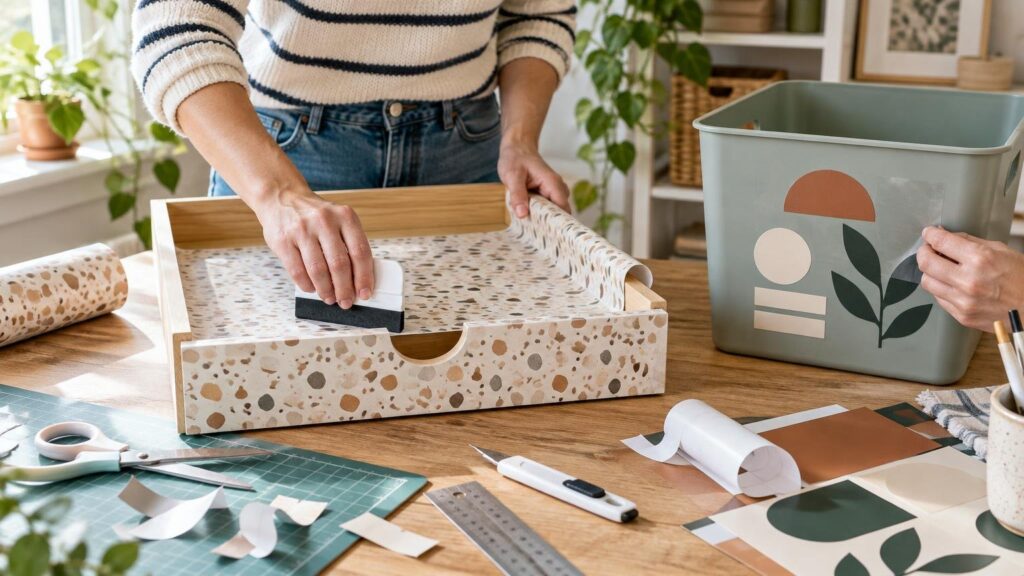
Contact Paper vs Vinyl: Which Works Better for DIY Makeovers?
Contact paper works best for covering broad, flat areas. Adhesive vinyl is the better choice for lettering, labels, decals and other cut designs.
Contact paper works best for covering broad, flat areas. Adhesive vinyl is the better choice for lettering, labels, decals and other cut designs.
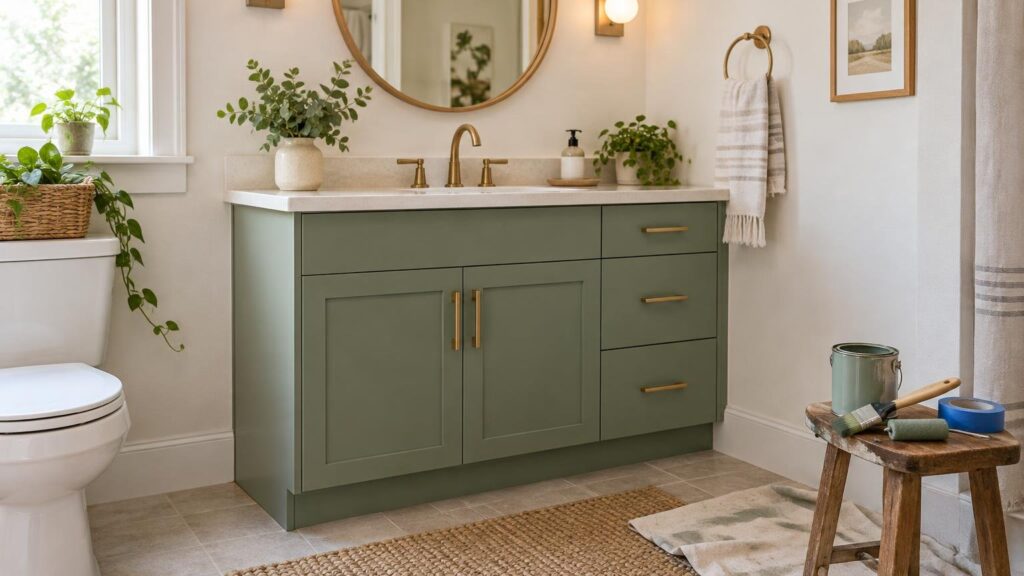
Keep a serviceable bathroom vanity and update what you see: the finish, hardware, faucet, mirror, lighting and accessories. Here is how to choose the changes that will make the biggest difference.
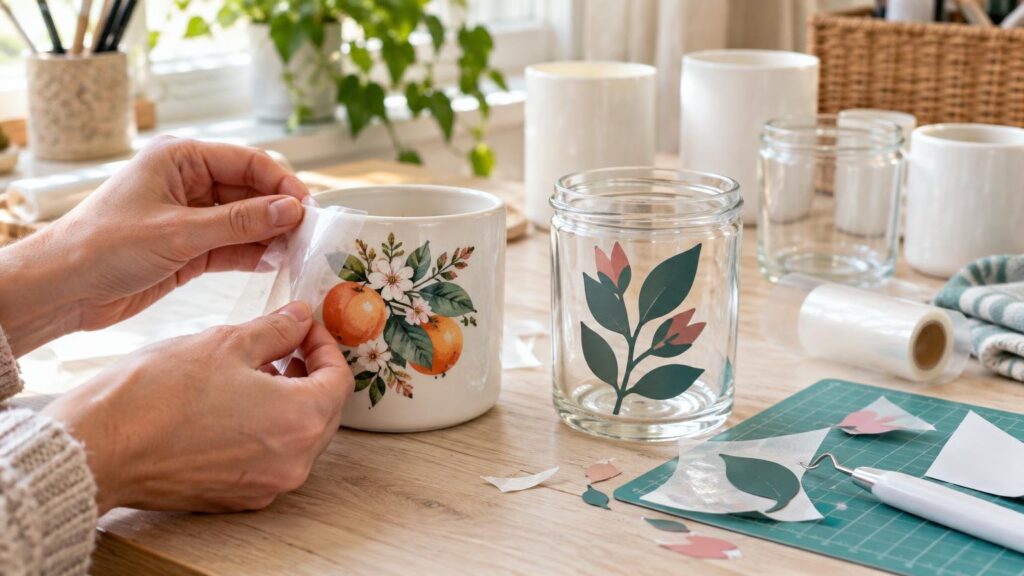
Choose UV DTF for detailed full-color artwork on compatible glass or glazed ceramic. Choose layered vinyl for simple designs when you want to cut, size and adjust each color yourself.
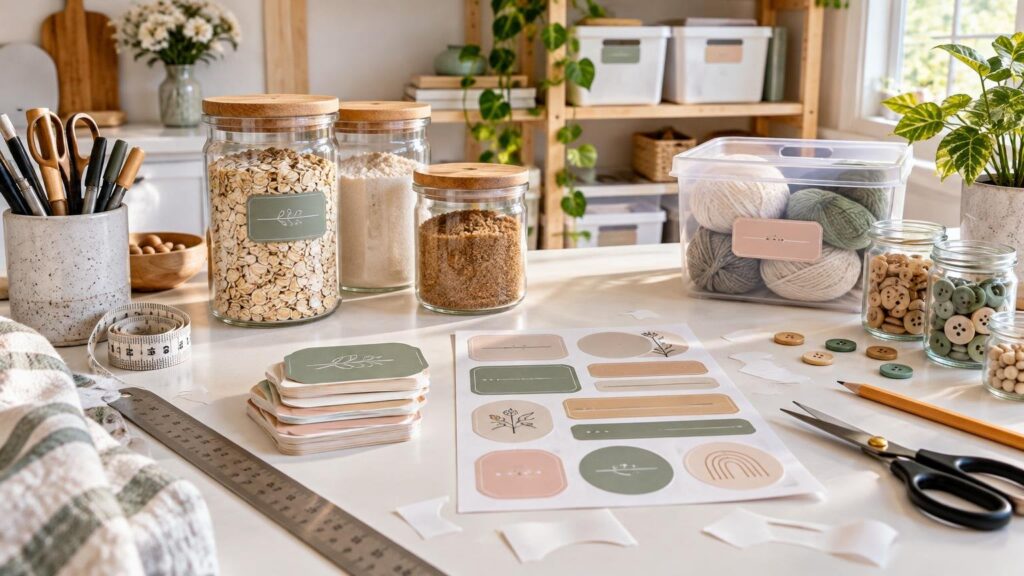
A practical buying guide to planning a label inventory, choosing between individual stickers and mixed-design sheets, and ordering the right format for pantry and craft-room containers.
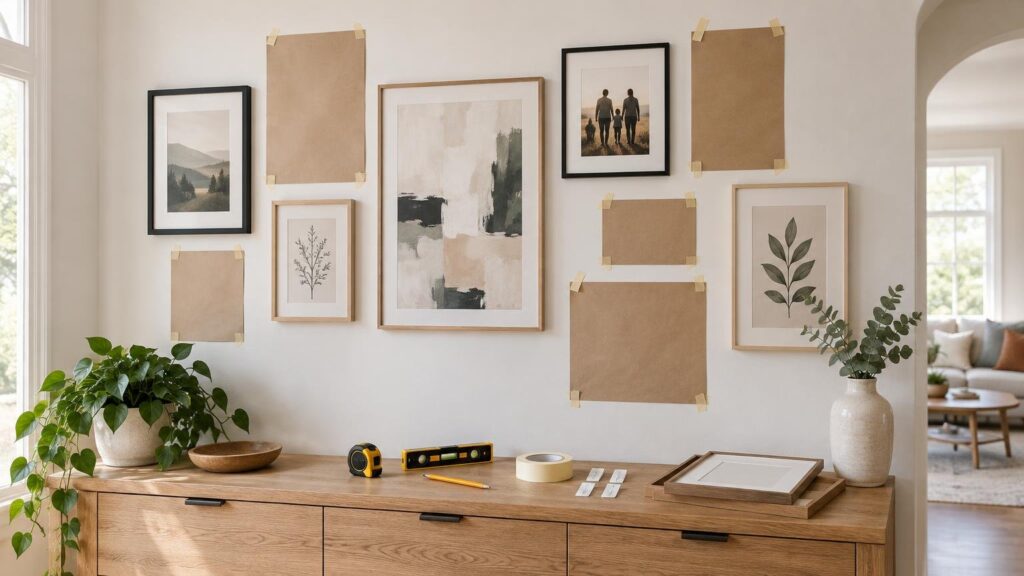
Make a mixed collection of photos, prints, and frames feel intentional by choosing a visual connector, defining the overall shape, and testing the layout before hanging anything.
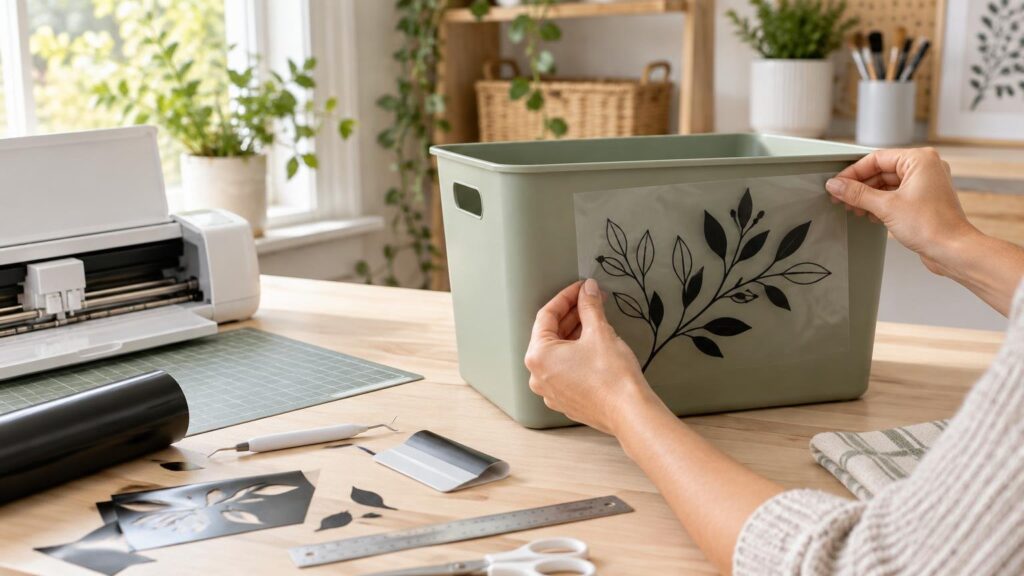
Use this practical comparison to decide whether your next vinyl decal is worth cutting at home or better ordered as a ready-to-apply transfer decal.
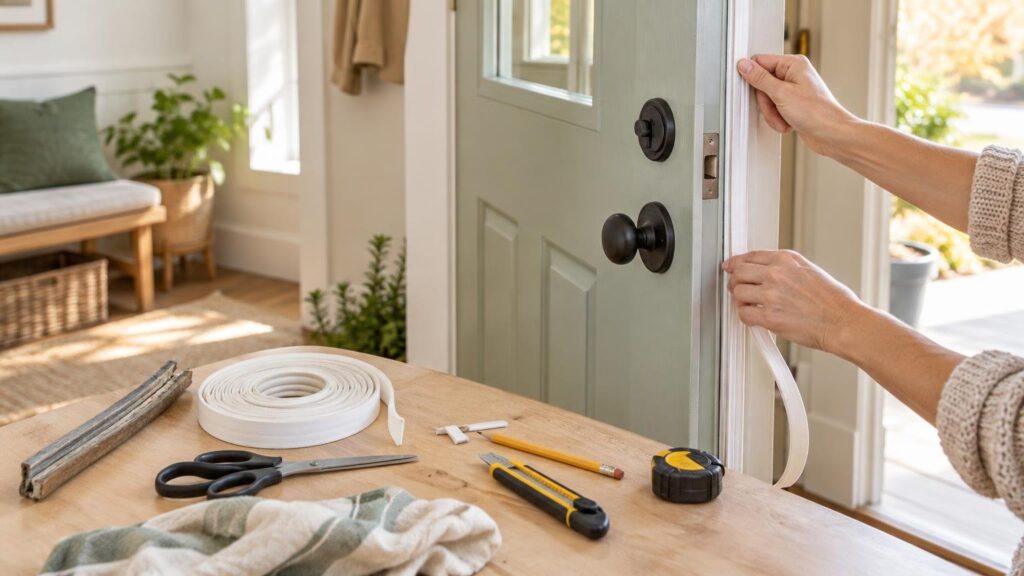
Small repairs that stop leaks, drafts, or deterioration are often dependable DIY money-savers. Large remodels and high-risk system work are much less predictable.
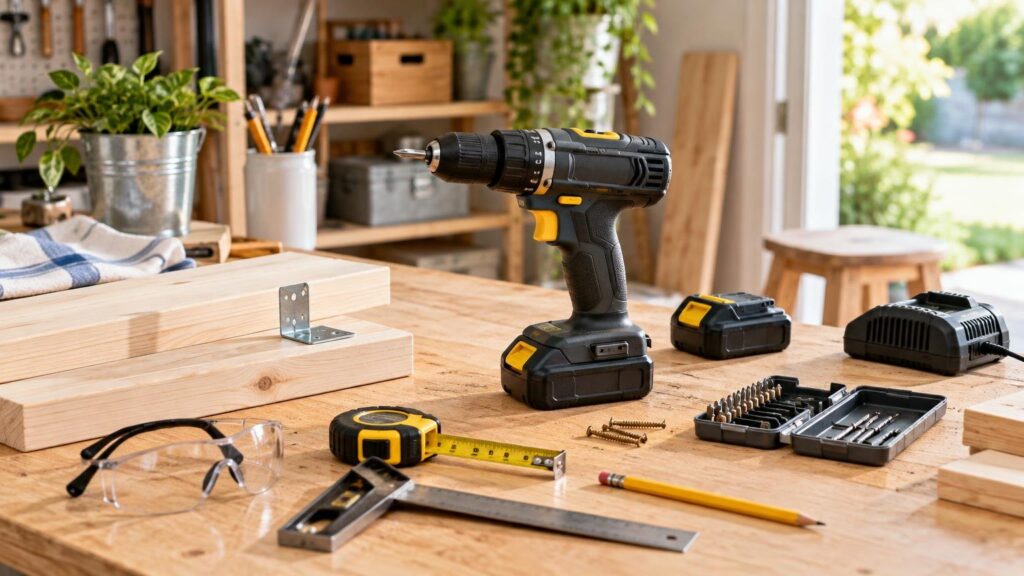
A practical guide to choosing a small starter set of power tools based on the projects you actually plan to complete.
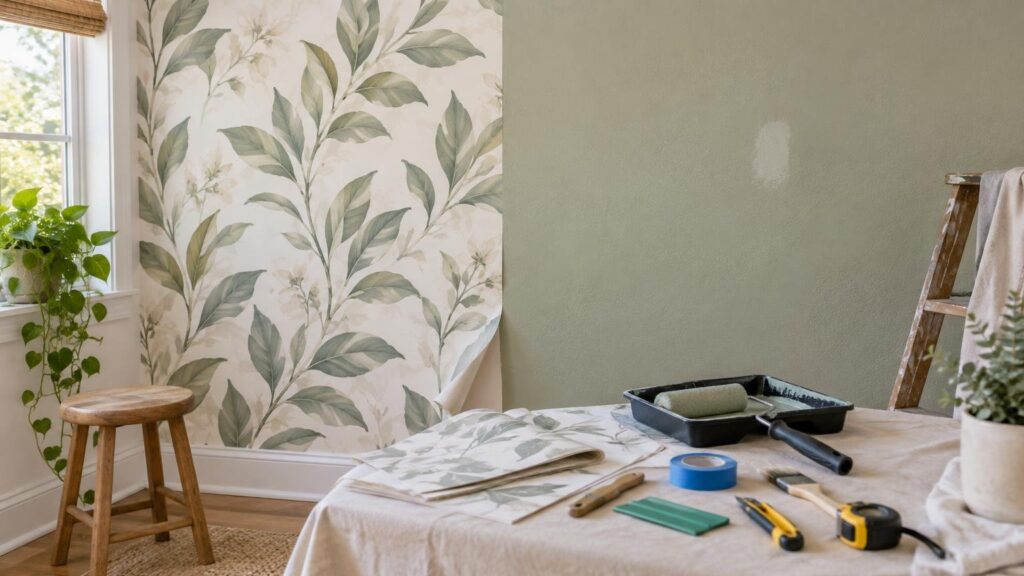
Paint is usually the reliable choice for imperfect or textured walls. Peel-and-stick wallpaper works best on a smooth, compatible wall when pattern is the priority.
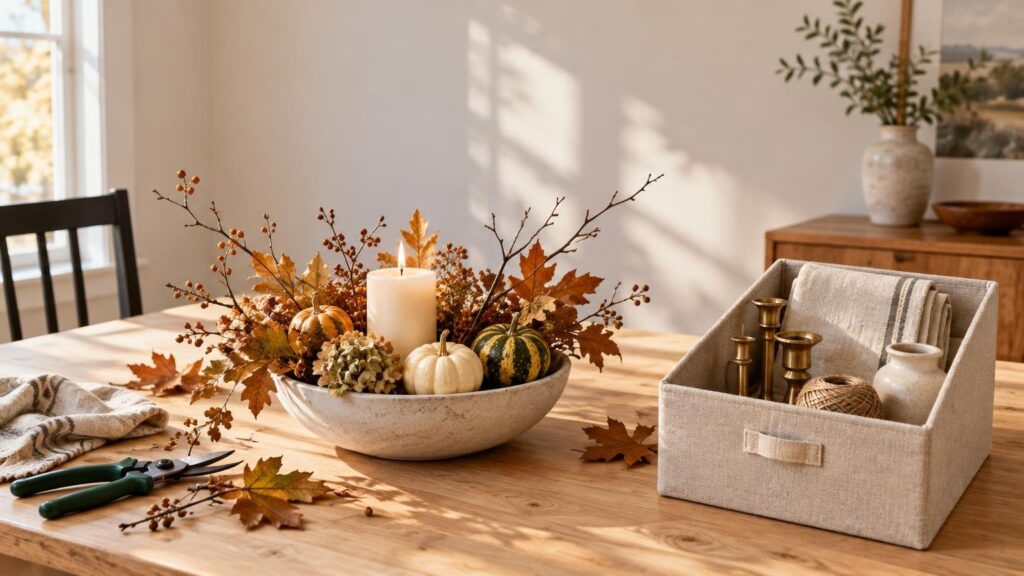
Create a home that feels seasonal without collecting bins of decorations. Use a compact decorating kit, temporary natural accents, and a clear exit plan.